Funky Retro: A Vintage Font with Modern Attitude
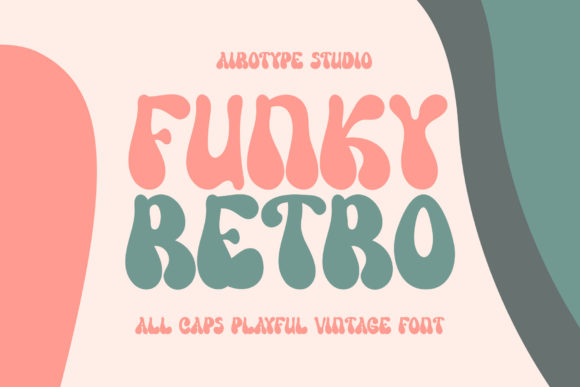
Imagine a typeface that feels like it just rolled off a 1970s concert poster, yet looks perfectly at home on a contemporary Instagram grid. That’s the energy Funky Retro brings to the table. This all-caps display font doesn’t just spell out words—it performs them. With its bold, rounded letterforms and a sweet, dynamic personality, it manages to be both nostalgic and fresh. If you’re working on a project that needs to grab attention fast and leave a memorable impression, this is the kind of typeface that does the heavy lifting for you.
Where Bold Typography Meets Brand Personality
Every font carries an unspoken message. A delicate script whispers elegance. A clean sans-serif suggests efficiency. Funky Retro, on the other hand, shouts confidence, creativity, and a playful edge. It’s the typographic equivalent of a vintage sticker on a modern laptop—instantly recognizable and full of character.
For small business owners and entrepreneurs, this is gold. Your brand’s visual identity is often the first interaction a customer has with you. Choosing a typeface like Funky Retro for your logo or packaging design immediately sets a tone. It tells your audience you’re approachable, creative, and not afraid to stand out. It’s particularly effective for brands targeting a younger demographic or those in creative industries like music, fashion, food trucks, or artisan crafts. The font’s inherent warmth helps build an emotional connection before a single word of copy is even read.
From Digital Screens to Printed Merchandise
The true test of a great display font is its versatility across different mediums. Funky Retro shines precisely because it’s designed for high-impact visual communication, whether you’re working in pixels or print.
Think about social media graphics. In a fast-scrolling feed, you have milliseconds to stop someone’s thumb. A bold, retro-styled headline for a sale announcement or a product launch is far more likely to get that pause than a standard, neutral typeface. The same principle applies to website banners, blog post headers, and digital ads. It injects personality into what could otherwise be a generic online presence.
Offline, the applications are just as powerful. Consider packaging design for a craft soda or a gourmet snack. Funky Retro on the label instantly communicates fun and flavor. For merchandise like t-shirts, tote bags, or stickers, the font becomes part of the product’s appeal. It’s the kind of lettering people want to wear or display because it looks cool and feels authentic. Even for something as traditional as a wedding invitation or event poster, using this font for key details can add a unique, memorable twist that breaks from formal convention.
Pairing for Purpose: Making Funky Retro Work for You
A powerful display font like Funky Retro is a star player, but even stars need a supporting cast. The key to using it effectively is understanding how to pair it with other typefaces to create a balanced and readable design.
Since Funky Retro is an all-caps display font, its primary role is for headlines, logos, and short bursts of text where impact is everything. For body copy—like website paragraphs, product descriptions, or longer invitation details—you’ll need a more neutral, highly legible partner. This is where a good sans-serif font or a classic serif font comes in. A clean sans-serif like Montserrat or Lato creates a modern, friendly contrast. A traditional serif like Lora or Merriweather can add a touch of sophistication and improve readability in longer text blocks.
The rule of thumb is simple: let Funky Retro handle the attention-grabbing headlines, and use a simpler companion for the information-heavy content. This creates a clear visual hierarchy, guiding the viewer’s eye exactly where you want it to go. Always test your pairings at the actual size they’ll be used. What looks great on a large poster might lose its charm when shrunk down for a business card.
Beyond the Aesthetic: Practical Considerations for Commercial Use
Falling in love with a font’s look is the easy part. The professional step is understanding how to use it correctly for your projects. As a premium font, Funky Retro typically comes with a commercial license, which is essential if you plan to use it for client work, your own business branding, or products you intend to sell. Always review the license details before purchasing to ensure it covers your specific needs, whether that’s for logo design, digital products, or physical merchandise.
Check what’s included in the font package. Does it offer multiple weights or styles? Are there stylistic alternates or special glyphs that can add even more flair to your designs? Understanding these features allows you to unlock the full potential of the typeface. For instance, certain alternate characters might give your logo that extra unique touch.
Finally, consider your audience and context. While Funky Retro is fantastic for grabbing attention, ensure its personality aligns with your project’s goal. It’s perfect for a music festival poster, a juice bar menu, or a retro-themed e-commerce site. It might be less suitable for a corporate law firm’s annual report, where the messaging calls for a more subdued, traditional typographic voice. Matching the font’s personality to your brand’s voice and your audience’s expectations is the final, crucial step in making your design not just beautiful, but effective.
Choosing a typeface is a creative decision with real business implications. It affects how your brand is perceived, how your message is received, and ultimately, how you connect with your audience. Funky Retro offers a specific, vibrant flavor of modern typography—one that’s sweet, dynamic, and unapologetically bold. When used thoughtfully, it can be the secret ingredient that transforms a good design into a truly memorable one.