Clean Notes: The Handwritten Font for Clear, Beautiful Typography
There's a particular charm to handwritten text that digital fonts often struggle to capture. We've all seen typefaces that try too hard to look "authentic" — the letters feel forced, the connections between characters look awkward, and the overall effect falls flat. Clean Notes takes a different approach. It delivers that classic handwritten aesthetic without sacrificing the legibility and polish your projects actually need. Whether you're designing a logo for a new bakery, crafting social media posts for your coaching business, or putting together packaging for a candle line, this typeface bridges the gap between personal warmth and professional clarity.
What Makes This Typeface Stand Out
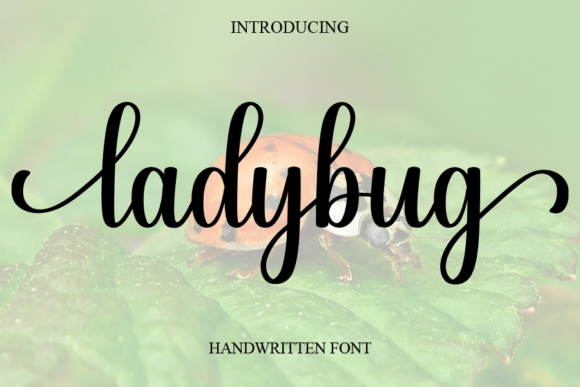
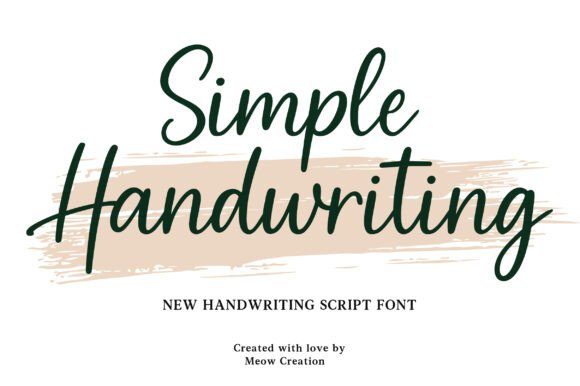
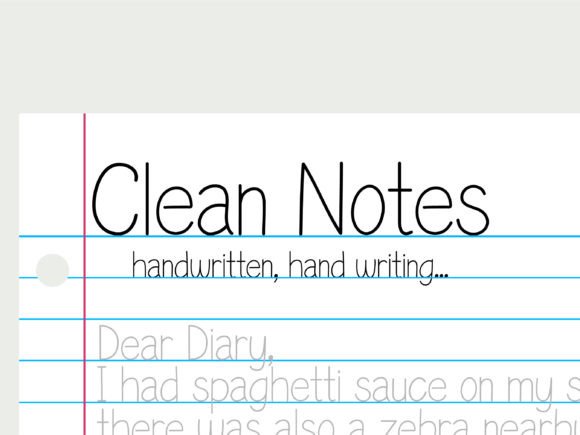
At its core, Clean Notes is a premium font designed for people who want their text to feel approachable and human. The letterforms have a natural flow — each character connects smoothly to the next, mimicking the rhythm of actual handwriting. But here's the key difference: it doesn't sacrifice readability for style. Every letter is distinct enough that readers can process words quickly, even at smaller sizes or on screens with varying resolutions.
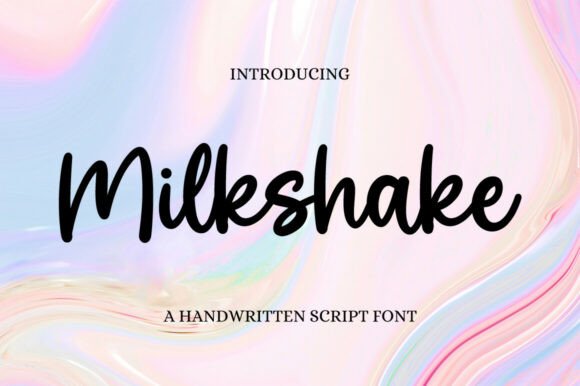
The font includes multiple styles, giving you flexibility across different design contexts. You might use the regular weight for body text on a blog and switch to a bolder variation for headlines on a poster. This range matters more than most people realize. Having access to several weights and styles within a single typeface family means you can maintain visual consistency across an entire brand identity without reaching for a second or third font.
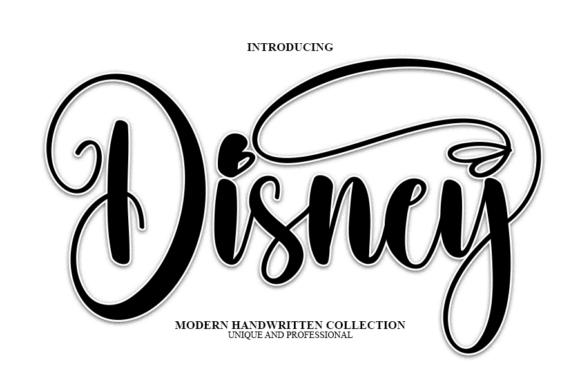
What really sets Clean Notes apart from other handwritten fonts is its balance. Some script fonts lean heavily into flourishes and swashes, which look gorgeous in isolation but become illegible in paragraphs. Others strip away personality entirely, ending up sterile and forgettable. This typeface sits comfortably in the middle — expressive enough to feel personal, restrained enough to work in professional contexts.
Practical Applications Across Design Projects
The versatility of Clean Notes makes it a genuinely useful addition to any designer's toolkit. Here's where it tends to shine brightest:
- Logo Design: Handwritten logos convey authenticity and approachability. Think about coffee shops, boutique clothing brands, wellness studios, and artisan food companies. A logo set in Clean Notes immediately tells customers there's a real person behind the business.
- Packaging Design: Product labels, box designs, and wrapping materials benefit enormously from handwritten typography. It adds a tactile quality that makes products feel crafted rather than mass-produced.
- Social Media Graphics: Instagram quotes, Pinterest pins, Facebook headers — platforms reward content that feels personal and relatable. A handwritten font helps your graphics stop the scroll without looking like every other template-driven post.
- Website Headers and Blog Titles: Pairing Clean Notes with a clean sans serif font for body text creates a dynamic visual hierarchy. The handwritten headers draw attention while the body text stays easy to read.
- Print Materials: Business cards, brochures, flyers, and thank-you cards all benefit from a human touch. Clean Notes works beautifully for accent text, taglines, and callouts in printed collateral.
- Invitations and Event Materials: Wedding invitations, workshop flyers, event programs — anything that needs to feel special and intentional. The font's elegant handwritten style sets the right tone without looking overly formal.
- Merchandise: Tote bags, mugs, stickers, and apparel often rely on typography as the primary design element. A versatile handwritten font like this one translates well across different product surfaces and printing methods.
- Digital Products: E-books, worksheets, planners, and online course materials can all use Clean Notes to create a cohesive, branded experience that feels curated and professional.
Building Brand Recognition Through Typography
Typography is one of the most underused tools in brand building. Many small business owners and entrepreneurs spend weeks perfecting their logo but give almost no thought to the fonts they use in everyday communications. That's a missed opportunity. The typefaces you choose become part of your brand's visual language — they appear on your invoices, your email headers, your social posts, your packaging, and your website.
When you consistently use a font like Clean Notes across these touchpoints, something interesting happens. People start to associate that visual style with your brand, even before they consciously register your logo. It's the same principle behind why you can recognize a friend's handwriting on an envelope before you see the return address. Handwritten typography carries identity in a way that generic system fonts simply cannot.
For entrepreneurs building a personal brand — coaches, consultants, authors, creators — this effect is especially powerful. Your audience wants to feel connected to you as a person, not just a business. Typography that mimics handwriting reinforces that personal connection at every interaction point.
Pairing and Readability: Making It Work in Context
One of the most practical questions with any handwritten font is how to pair it effectively. Clean Notes works best when contrasted with a straightforward companion font. A simple sans serif like Montserrat, Lato, or Open Sans for body text creates a clean foundation that lets the handwritten headlines stand out without competing.
Avoid pairing it with another script or heavily stylized font — that combination tends to create visual noise rather than harmony. The goal is contrast: one font for personality, another for clarity.
Readability deserves serious attention, particularly for digital applications. Test your text at the actual size it will appear. What looks elegant on a 27-inch monitor might become indecipherable on a phone screen. Clean Notes performs well at medium to large sizes, making it ideal for headlines, pull quotes, and accent text. For extended paragraphs, especially at small sizes, switching to a more traditional typeface is usually the smarter choice.
Color and spacing also matter. Handwritten fonts generally benefit from slightly more generous letter spacing than their serif or sans serif counterparts. Give the letters room to breathe, and they'll look more natural on the page.
Licensing and Commercial Use
Before incorporating any font into a commercial project, understanding the licensing terms is essential. Clean Notes comes with commercial licensing, which means you can legally use it in client work, products for sale, and branded materials. This is a critical distinction from many free fonts floating around the internet, which often carry restrictions that surface later — sometimes after a project has already launched.
Always review the specific license details before purchasing. Look for clarity around the number of users, allowed use cases (print, digital, merchandise), and whether the license covers modifications. Investing in a properly licensed premium font protects your work and your clients from legal complications down the road.
For designers who work with multiple clients, many font foundries offer extended or multi-seat licenses. It's worth exploring these options if you plan to use the font across several projects or within a team setting.
Choosing the Right Font for Your Next Project
Selecting typography isn't just about what looks good in isolation — it's about what serves the project's goals. Ask yourself a few key questions before committing to a font choice:
- Who is the audience, and what tone do they expect? A children's brand and a luxury skincare line need very different typographic voices.
- Where will the text appear most often? A font destined primarily for mobile screens needs to prioritize clarity at small sizes. One meant for large-format printing can embrace more expressive details.
- Does the font include enough styles and weights to support the full range of applications you'll need? A single weight can feel limiting quickly.
- How does it pair with your existing design assets? Pull up your current brand elements and test the font alongside them before making a final decision.
Clean Notes answers these questions well for a broad range of projects. Its personality is warm without being casual, polished without being stiff. That combination makes it a reliable choice for designers, business owners, and creators who want their typography to feel intentional and human.
Good typography doesn't demand attention — it earns trust. And a font that looks like it was written by a real person, with care and clarity, does exactly that.