Marly Rosemary: The Script Font for Elegant Branding
There's a moment in every design project where the typography makes or breaks the visual story. You've chosen your colors, sketched your layout, and selected your imagery—but the font you place on top ties everything together or pulls it apart. If you've been searching for a script typeface that feels both refined and approachable, Marly Rosemary might be the missing piece in your creative toolkit. This stylish, well-balanced and delicate script font has a quiet confidence that works across a surprising range of applications, from product packaging to social media posts to wedding stationery.
Understanding the Visual Character of This Typeface
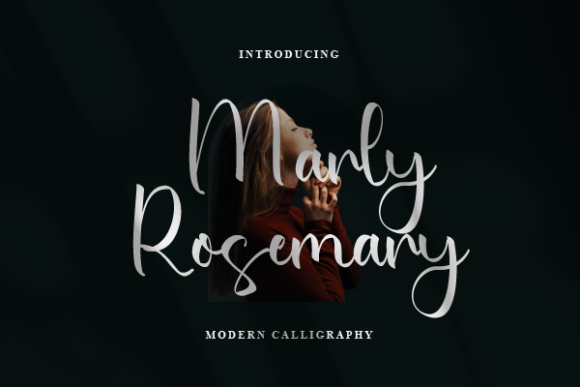
Marly Rosemary isn't trying to shout. It whispers with intention. The letterforms carry a natural, handwritten quality without veering into messy or overly casual territory. Each character flows into the next with a graceful rhythm, creating a sense of movement that feels organic rather than forced. The weight distribution across strokes is carefully balanced—thin enough to feel elegant, thick enough to remain legible at smaller sizes.
What sets this script font apart from dozens of similar options is its versatility. Some script typefaces look gorgeous in a logo mockup but fall apart the moment you try to use them in a paragraph or on a real product label. Marly Rosemary holds its own across different contexts because of its measured proportions and thoughtful spacing. The letter connections feel natural, and the overall texture on a page or screen is smooth and inviting.
For anyone working in modern typography, this kind of adaptability matters. You want a font that can headline a magazine cover and still feel appropriate on a thank-you card tucked into a customer's order. That range is what makes a premium font worth the investment.
Where Marly Rosemary Truly Shines
Think about the last time you scrolled through Instagram and stopped because a particular graphic caught your eye. Chances are, the typography played a significant role. Marly Rosemary works beautifully for social media graphics because its flowing letterforms create visual interest without overwhelming accompanying imagery. Whether you're designing quote posts, sale announcements, or story templates, this font adds a polished, human touch that stands out in a feed dominated by rigid sans serif fonts and stock templates.
Packaging design is another arena where this typeface excels. Imagine a hand-poured candle label, a artisan chocolate box, or a boutique skincare bottle. The delicate script immediately communicates care, craftsmanship, and quality—values that small business owners and creative entrepreneurs want their customers to associate with their products. Placed alongside a clean serif font or a simple sans serif for body text, Marly Rosemary creates a striking hierarchy that guides the eye naturally.
For branding projects, the font offers an opportunity to build a distinctive identity. A logo built with this script typeface tells customers that a brand values aesthetics and attention to detail. It works particularly well for businesses in beauty, wellness, food, fashion, lifestyle, and event planning—industries where visual presentation directly influences purchasing decisions.
Pairing Marly Rosemary with Other Fonts
No font exists in isolation. The real magic of typography happens in combination, and Marly Rosemary plays well with others. Because it carries such a strong personality as a display font, it benefits from being paired with something more restrained for longer text passages.
A classic approach is combining this script with a geometric sans serif for body copy. The contrast between the flowing, organic letterforms and the clean, structured sans creates a dynamic visual tension that feels both sophisticated and readable. Alternatively, pairing it with a traditional serif typeface can evoke a more editorial, literary mood—perfect for magazine layouts or blog headers.
When testing font pairings, keep these practical tips in mind:
- Limit your palette. Two or three typefaces maximum for any single project. Marly Rosemary as your hero font, one complementary typeface for headings or subheads, and one for body text.
- Check scale relationships. Make sure your script font remains legible when used at the sizes you intend. What looks stunning at 72 points on a poster might become illegible at 14 points on a business card.
- Test in context. Don't evaluate fonts in isolation on a blank canvas. Place them against your actual background colors, next to your imagery, and within your layout structure.
- Consider weight contrast. If Marly Rosemary reads as medium weight, pair it with a light or bold companion to create clear visual hierarchy.
Practical Applications Across Industries
The range of projects where this creative font adds value extends well beyond logos and social media. Consider how it might elevate these specific applications:
Wedding and event stationery. Invitations, save-the-dates, menu cards, and place settings all benefit from a script that feels personal and celebratory without being overly formal. Marly Rosemary strikes that balance beautifully, making it a natural choice for designers serving the events market.
Digital products and online courses. If you sell eBooks, workbooks, or digital planners, typography contributes significantly to perceived value. Using a polished script font for chapter titles, section headers, or cover designs signals professionalism and care.
Editorial design. Magazine covers, feature spreads, and pull quotes come alive with a typeface that draws the reader's eye. The font's natural elegance makes it particularly suited to lifestyle, travel, and fashion publications.
Merchandise and print materials. Tote bags, mugs, t-shirts, and greeting cards all offer opportunities to showcase beautiful lettering. When your typography looks handcrafted and intentional, customers perceive the entire product as more valuable.
Website design. Used sparingly for hero sections, call-to-action headlines, or featured quotes, a script font like Marly Rosemary introduces warmth and personality into digital spaces that might otherwise feel sterile. Just remember that readability on screens requires careful sizing and sufficient contrast against background colors.
Building a Cohesive Brand Identity
Consistency is the foundation of brand recognition. When a customer encounters the same visual language across your website, packaging, social channels, and printed materials, trust builds incrementally. Typography is one of the most powerful tools for achieving that consistency, and choosing a font that works across multiple touchpoints simplifies the entire process.
Marly Rosemary offers that cross-platform reliability. Its visual personality remains recognizable whether it's rendered on a computer screen, printed on cardboard, or embroidered onto fabric. That kind of adaptability makes it a smart choice for brand identity systems where a single typeface needs to perform in wildly different environments.
Before committing to any font for your brand, spend time reviewing the included styles and character sets. Check whether the typeface includes the glyphs you need—special characters, ligatures, alternates, and multilingual support can all affect how well a font serves your specific requirements. Understanding commercial licensing is equally important. If you're using the font for client work, merchandise, or products you sell, make sure the license covers those applications.
Making the Most of Your Typography Choices
Good typography doesn't happen by accident. It requires intention, experimentation, and a willingness to test options before settling on a final direction. If you're drawn to Marly Rosemary, start by using it in a small, low-stakes project—a social media post, a personal blog header, or a mock-up for a fictional brand. Get a feel for how it behaves at different sizes, against different backgrounds, and alongside different companion fonts.
Pay attention to readability above all else. A beautiful script that your audience can't actually read defeats its own purpose. Test your designs at arm's length, on mobile screens, and in printed form whenever possible. Adjust letter spacing, line height, and color contrast until the text feels effortless to consume.
The best design assets are the ones that earn their place in your workflow through repeated, reliable performance. A font that consistently delivers elegance, readability, and versatility across your projects becomes more than a download—it becomes an essential part of how you communicate visually with the world.