Note Paper: The Handwritten Font That Feels Like Your Best Idea
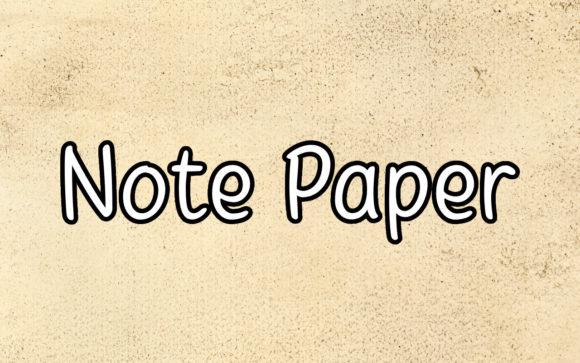
You know that feeling when you jot down a thought on a napkin, and it just clicks? There's an authenticity, a raw energy in a handwritten note that a perfect, polished font can't replicate. It's personal, it's immediate, and it carries a spark of the creator. That's the exact energy a typeface like Note Paper captures and lets you wield across all your creative projects. Designed by Muchson Astadziri, this isn't just another script font; it's a tool for adding a genuine, human touch to your digital and print work.
A Font with a Natural Flow
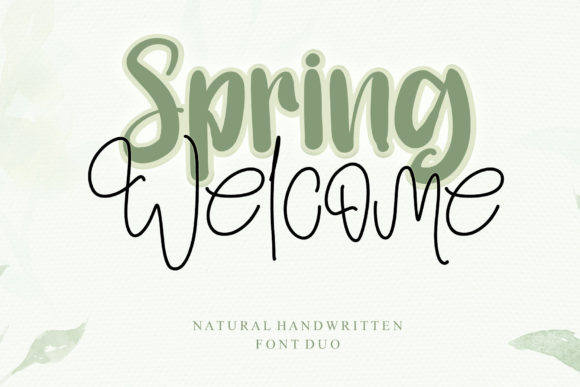
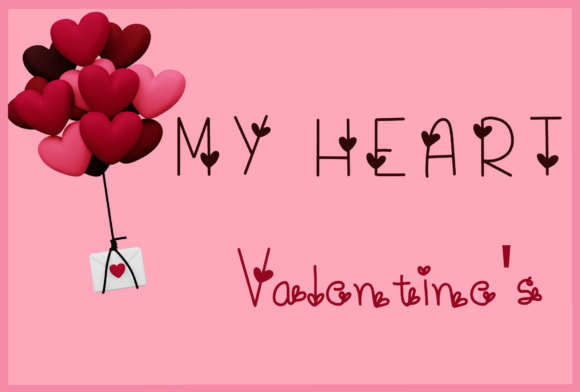
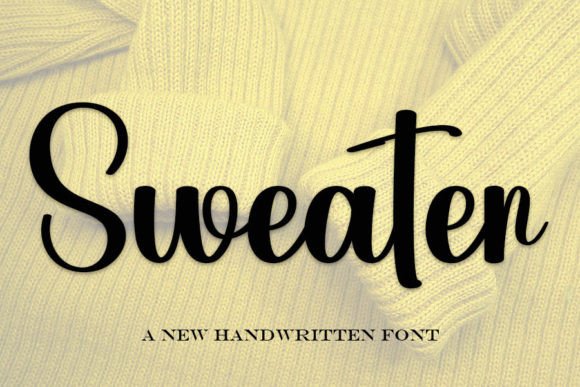
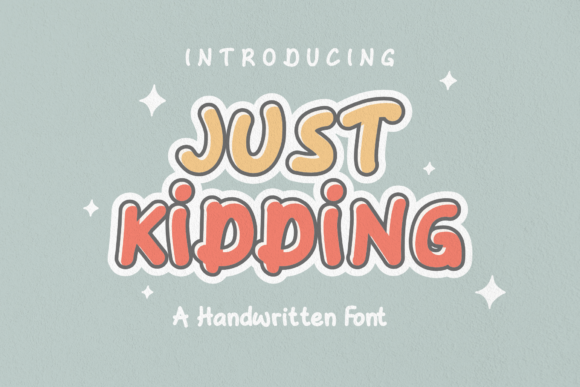
What sets Note Paper apart from a crowded field of handwritten fonts is its remarkable balance. Many script fonts can feel either too chaotic—like a doctor's scrawl—or too stiff, losing the organic feel they're supposed to have. Note Paper strikes a sweet spot. Its characters are uniquely crafted to flow together with a natural, easy rhythm, yet each letter remains distinct and readable. This careful design means it doesn't just look handwritten; it looks like neat, purposeful handwriting. The result is a typeface that feels both personal and professional, making it incredibly versatile. You can use it for a heartfelt quote on a social media post or for the hero text on a small business's packaging without it feeling out of place.
Bringing Personality to Your Brand Identity
For entrepreneurs and small business owners, building a brand is about telling a story. Your typography is a crucial part of that visual narrative. A premium font like Note Paper can be a secret weapon for establishing a brand personality that feels approachable, creative, and trustworthy. Imagine a boutique bakery using it for its logo and menu—it immediately conveys handmade quality and care. A freelance graphic designer might use it in their portfolio to add a personal signature style. A lifestyle blogger can use it for their main headings to create a consistent, journal-like aesthetic that readers connect with.
The key is consistency. By using Note Paper across your logo, website headers, social media graphics, and even your email newsletter, you create a cohesive visual language. This consistency builds brand recognition; your audience starts to associate that friendly, creative font style with your business. It becomes a recognizable part of your identity, helping you stand out in a sea of generic sans serif and serif font combinations.
Practical Applications: Where Note Paper Shines
Thinking about where this creative font can make the biggest impact? Its versatility is its greatest strength. Here are some real-world applications where Note Paper excels:
- Logo & Brand Marks: It creates logos with character and warmth, perfect for brands in wellness, craft, food, and creative services.
- Packaging Design: On labels, boxes, and bags, it adds a tactile, artisanal quality that catches the eye on a shelf.
- Social Media & Marketing: Use it for quotes, announcements, and Instagram Stories to stop the scroll with engaging, personal text. It pairs beautifully with clean sans serif fonts for captions.
- Web & Blog Design: Implement it for key headings and pull quotes to break up content and add visual interest without sacrificing readability for body text.
- Print Materials: Think business cards, thank you notes, posters, and flyers. It adds a handcrafted touch that digital-only fonts lack.
- Invitations & Stationery: Ideal for wedding invitations, event programs, and personal correspondence where a handwritten feel is desired.
- Digital Products: Use it in eBook covers, printable planners, or online course materials to create an inviting and creative atmosphere.
Tips for Using Note Paper Effectively
To get the most out of this or any handwritten font, a thoughtful approach is needed. First, consider readability. While Note Paper is designed for clarity, it's best used for display purposes—headings, titles, logos, and short phrases. For long blocks of body text, always pair it with a highly legible serif or sans serif font. A great font pairing might be Note Paper for headings with a clean, modern sans serif like Montserrat or Open Sans for paragraphs.
Second, think about context. The "neat handwritten" style works wonderfully for projects aiming for a friendly, personal, or creative vibe. It might be less suitable for a corporate law firm's annual report but could be perfect for a creative agency's pitch deck. Always match your typography to the project's goals and audience expectations.
Finally, explore the full font family. Check if Note Paper comes with different weights or styles. Often, a premium font will include regular, bold, or italic variations, giving you more tools to create hierarchy and emphasis in your designs. And, of course, always review the commercial licensing to ensure it covers your intended use, whether for a personal blog or a client's merchandise line.
In the end, Note Paper is more than just a typeface. It's a bridge between the impersonal digital world and the authentic, handwritten ideas that drive our best work. It doesn't just display words; it conveys feeling. By integrating it thoughtfully into your design assets, you can create visuals that don't just look good but also feel genuinely connected to the people you're trying to reach.