Vinque: A Modern Designer's Guide to This Blackletter Font
There’s a certain weight to history that you can feel in the details of a well-made object, and typography is no exception. When you need to evoke a sense of tradition, heritage, or a touch of old-world craftsmanship, the choice of typeface becomes a critical part of your visual story. It’s not about simply picking something “old-looking”; it’s about finding a design that carries the right kind of history. This is where a typeface like Vinque enters the conversation, offering a bridge between the past and your contemporary project.
The Visual Character of a 19th-Century Revival
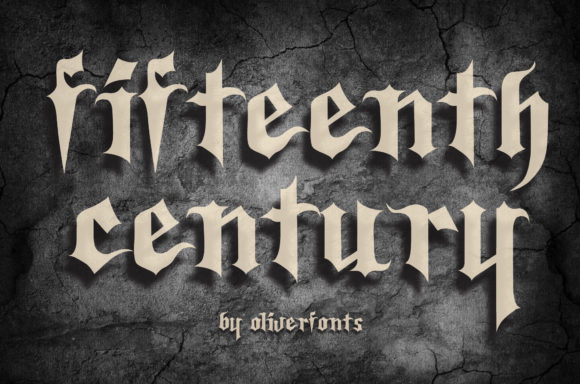
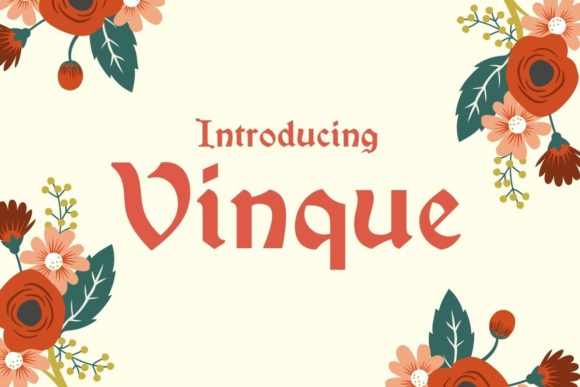
Vinque is a blackletter font, but it’s not a direct copy of a medieval manuscript. Instead, it’s a thoughtful interpretation of nineteenth-century medieval lettering—a period when designers were looking back at older styles and reinterpreting them for their own time. This gives it a unique personality. The letterforms have the strong vertical strokes and angular, decorative flourishes characteristic of blackletter, but they often feel more structured and slightly more approachable than their historical ancestors.
What makes it visually appealing is this balance. It has the gravitas and decorative detail that commands attention, making it a powerful display font. The intricate joins and sharp points create a texture on the page that feels handcrafted and significant. Yet, because it’s a modern interpretation, it’s been designed with a clarity that makes it usable. It’s a creative font that understands its role: to be seen and to set a mood, not necessarily to be used for body copy.
Practical Applications for Brands and Creators
Knowing what a font looks like is one thing; knowing how to use it is where the real value lies. Vinque’s distinctive style makes it a strategic asset for specific types of projects. It’s less of a workhorse and more of a specialist tool in your design assets toolkit.
- Branding & Logo Design: For businesses in the craft, artisanal, or heritage space—think a microbrewery, a leather goods workshop, a vintage clothing store, or a specialty coffee roaster—Vinque can form the cornerstone of a brand identity. Used in a logo, it immediately communicates tradition, quality, and a hands-on approach.
- Packaging Design: On a product label or box, this premium font adds perceived value. It suggests the product inside is made with care and has a story to tell. It’s perfect for gourmet foods, spirits, or boutique skincare lines.
- Invitations & Event Materials: For weddings, milestone celebrations, or themed events, Vinque sets a formal and elegant tone from the first glance. It works beautifully on save-the-dates, menus, and program covers.
- Posters & Editorial Layouts: Need a striking headline for a magazine spread or a poster promoting a historical lecture or theater production? Vinque’s strong presence makes it ideal for large-scale editorial design where the title needs to make a bold statement.
- Digital Products & Social Media: For bloggers, podcasters, or creators focusing on history, literature, or craftsmanship, using Vinque for featured images, quote graphics, or podcast cover art can create instant visual recognition. It helps your content stand out in a crowded social feed.
Making It Work: Pairing and Readability
The most common mistake with a decorative blackletter font is overuse. Its power is in its restraint. The golden rule is to use Vinque for headlines, titles, logos, and short, impactful phrases. For any longer text, you need a partner.
This is where font pairing becomes essential. The contrast is what creates visual interest and ensures readability. A classic approach is to pair Vinque with a clean, neutral sans serif font. The simplicity of the sans serif allows the intricate details of Vinque to shine without competition. Think of it as the quiet friend who lets the charismatic one tell the story.
Alternatively, you could pair it with a traditional serif font for a more cohesive, period-inspired feel, though this requires a careful eye to ensure the two don’t clash. The key is to test your pairings. Lay out a mock-up of your project. Does the body text remain easy to read at small sizes? Does the headline still feel special? Does the overall combination reflect the mood you’re aiming for? Always prioritize the audience’s ability to comfortably consume your message.
A Note on Styles and Licensing
When exploring a font like Vinque, look into the specific styles included in the family. Does it come with different weights or alternate characters? Having a regular and a bold weight, or access to stylistic alternates, can give you more flexibility within your design while maintaining that cohesive vintage typography feel. This allows you to create hierarchy and emphasis without switching to a different typeface.
Finally, a crucial practical step: understand the licensing. If you’re using Vinque for a client project, a product you sell, or a business website, you need a commercial font license. Ensure the license covers your intended use—whether for digital products, physical merchandise, or both. Reputable font foundries make this clear, and investing in the proper license is a fundamental part of professional and ethical design practice. It protects you and supports the creators who craft these detailed tools.
Choosing a font like Vinque is a deliberate design decision. It’s for those moments when you want to imbue your work with a sense of history, craftsmanship, and enduring style. By applying it thoughtfully—focusing on impact, pairing it wisely, and respecting its strengths—you can leverage this unique typeface to create designs that are not only beautiful but also rich with meaning and connection to a visual tradition that spans centuries.