Arc: A Display Font That Brings Creative Vision to Life
There are fonts that simply do the job—clean, functional, forgettable. Then there are typefaces that spark something, that make you lean in and consider how a single letterform can shift the entire mood of a design. Arc is that second kind of font. It's a premium display font with a distinct personality, one that feels both modern and timeless, bold yet refined. If you've been searching for a typeface that can genuinely elevate your branding, packaging, or digital content without feeling generic, Arc deserves a closer look.
What Makes Arc Stand Out in a Crowded Font Market
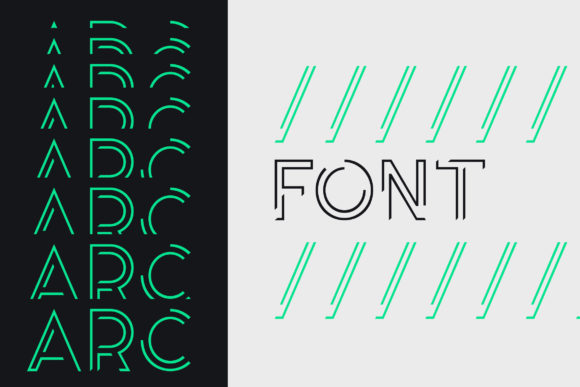
Every designer knows the frustration of scrolling through hundreds of fonts that all start to blur together. Most display fonts lean too hard into trends—they look exciting for six months and then feel dated. Arc takes a different approach. Its letterforms carry a subtle geometric confidence with soft, intentional curves that give it warmth without sacrificing structure. The result is a typeface that commands attention on a poster or a homepage hero banner but doesn't overwhelm the eye when used thoughtfully.
The beauty of Arc lies in its versatility within the display category. It's not trying to be everything—a body text workhorse or a delicate script alternative. Instead, it owns its role as a headline and accent font with precision. The weight distribution across each character feels balanced, which means it renders cleanly at both large and medium sizes. Whether you're designing a logo for a boutique skincare brand or crafting a bold social media announcement, Arc holds its shape and delivers impact.
Where Arc Truly Shines: Real-World Applications
Let's talk about practical use, because a beautiful font only matters if it actually works in context. Arc is the kind of typeface that slots naturally into a wide range of creative projects. Think about logo design for a new coffee roastery—Arc's curves could echo the organic feel of roasted beans while maintaining a clean, professional edge. For packaging design, especially in the food, beauty, or lifestyle space, it brings shelf appeal without looking like every other trendy serif or sans serif font competing for attention.
Social media graphics are another area where Arc excels. Platforms like Instagram and Pinterest reward bold, scroll-stopping visuals. A well-chosen display font does half the heavy lifting. Arc's distinctive letter shapes create instant hierarchy in a quote graphic, a product announcement, or a story template. Pair it with a simple sans serif font for body copy and you've got a combination that looks polished and intentional without hours of tweaking.
For web design, Arc works beautifully as a heading typeface on landing pages, portfolio sites, and e-commerce storefronts. It gives pages a sense of editorial quality—think of the mastheads you see in premium magazine layouts. Blogs benefit from this too. A well-styled H2 or H3 in Arc can break up long-form content and guide readers through the page with visual rhythm.
Print materials haven't lost their relevance, either. Business cards, event posters, wedding invitations, product catalogs, and editorial layouts all benefit from a display typeface with character. Arc brings a level of craftsmanship to printed pieces that signals professionalism and care. For merchandise—think tote bags, mugs, apparel—its bold forms translate well to screen printing and embroidery, where clarity at various scales matters.
Choosing the Right Font Style and Testing Pairings
One of the most overlooked steps in any design project is font pairing. A display font like Arc needs the right companion to truly sing. The general principle is contrast: pair a strong display typeface with something quieter and more neutral for body text. A clean sans serif font—something like a geometric or humanist style—lets Arc take center stage without visual competition. If your project leans more editorial or classic, a simple serif font with minimal ornamentation can complement Arc's curves beautifully.
Before committing to any font for a project, test it in context. Drop Arc into your actual layout, not just a blank canvas. See how it interacts with your color palette, your imagery, and your spacing. Check readability at the sizes you'll actually use. A headline at 48 pixels on a screen reads very differently than the same word at 18 pixels. Arc performs well at medium-to-large sizes, which is exactly what you want from a display typeface. Don't force it into small text roles—that's not its strength, and your audience will notice the strain.
Also, take time to review the full font family or styles included with Arc. Many premium fonts come with multiple weights, alternates, or stylistic variations that open up even more creative possibilities. Understanding what's available before you start designing saves time and helps you make more intentional choices.
Building Brand Recognition Through Intentional Typography
Typography is one of the most powerful tools for building a brand identity, yet it's often treated as an afterthought. The fonts you choose become part of how people recognize and remember your brand. Think about the brands you trust—they likely have consistent, distinctive typography across every touchpoint, from their website to their email headers to their product labels.
Arc can serve as the anchor of a visual identity system, especially for brands that want to feel creative, modern, and approachable. A small business launching a new product line could use Arc across its packaging, website, and social channels to create immediate visual consistency. That consistency builds recognition. Over time, your audience starts to associate that typeface with your brand before they even read the words.
For content creators and digital entrepreneurs, the same principle applies. Whether you're selling online courses, designing digital planners, or building a personal brand on YouTube, using Arc consistently in your thumbnails, cover images, and marketing assets creates a cohesive visual language. It tells your audience that you pay attention to details—and that level of care builds trust.
Licensing and the Value of a Commercial Font
It's worth addressing something that trips up many creatives: font licensing. Free fonts are everywhere, but they come with limitations that can cause real headaches down the road. Some free fonts aren't licensed for commercial use at all. Others have unclear terms that put you in a gray area. When you invest in a premium font like Arc, you're paying for clarity as much as quality. You know exactly what you can and can't do with it, and you're supporting the designers who created it.
For anyone building a business or working with clients, proper licensing isn't optional—it's professional practice. Review the license terms before you start a project. Understand whether the font covers web use, print use, embedding in digital products, or merchandise. If your needs grow, most premium font licenses offer upgrades. It's a small investment that protects your work and your reputation.
Bringing It All Together
Arc isn't just another display font sitting in a marketplace. It's a design asset built with intention, one that understands the needs of modern creatives who juggle branding, content, and marketing across dozens of platforms. Its visual personality is strong enough to make a statement but flexible enough to adapt to different industries and aesthetics. Whether you're a freelance designer building a client's brand from scratch, a small business owner refreshing your visual identity, or a hobbyist creating invitations for a milestone celebration, Arc gives you a foundation to work from that feels both professional and personal.
The best fonts don't just look good—they make your work easier. They reduce the number of design decisions you have to wrestle with because they bring their own coherence to a layout. Arc does exactly that. It's the kind of typeface you reach for again and once it becomes part of your toolkit, you'll wonder how you designed without it.