Comic Caps: The Playful Display Font That Brings Designs to Life
Sometimes a project needs more than just clean lines and professional neutrality—it needs a little personality, a dash of humor, and a whole lot of character. That's exactly where Comic Caps steps in. This fun and informal display font brings a lighthearted, approachable energy to any design it touches. Whether you're crafting a logo for a children's brand, putting together social media graphics that need to pop, or designing packaging that makes customers smile before they even open the product, Comic Caps delivers a visual punch that's hard to ignore. And here's the best part: it's available as a freebie, making it an accessible tool for designers, entrepreneurs, and hobbyists who want to inject some creative flair into their work without breaking the budget.
What Makes Comic Caps Stand Out in a Crowded Font Landscape
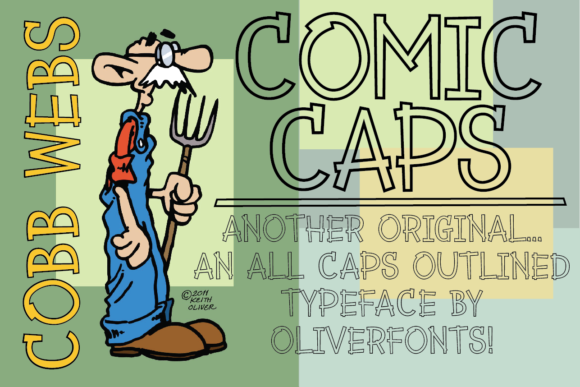
Let's be honest—there are thousands of display fonts out there, and many of them blend into the background after a while. Comic Caps manages to carve out its own space because it doesn't try to be something it's not. It leans into its playful, cartoon-inspired aesthetic with confidence. The letterforms are bold, rounded, and slightly exaggerated, giving text an energetic, hand-drawn feel that immediately catches the eye. Unlike some overly whimsical typefaces that sacrifice legibility for style, Comic Caps strikes a solid balance. The characters are distinct enough to read clearly at various sizes, which is a critical consideration for anyone working on projects where communication matters as much as aesthetics.
What really sets this typeface apart is its versatility within the informal design space. It's not just a "comic book" font—it's a creative font that works across a surprisingly wide range of applications. The uppercase letters have a confident, blocky presence that commands attention, while the overall design maintains a warmth and friendliness that feels inviting rather than aggressive. Think of it as the font equivalent of a good-natured laugh—something that draws people in and makes them feel comfortable.
Practical Applications That Actually Work
Theory is nice, but let's talk about where Comic Caps genuinely shines in real-world projects. Here's where designers and creators are finding the most value:
- Branding and Logo Design: If you're building a brand identity for something aimed at families, kids, food, entertainment, or casual lifestyle products, Comic Caps can serve as a primary or secondary typeface in your logo system. It communicates approachability and fun without looking cheap or amateurish—assuming it's used thoughtfully within a cohesive design.
- Packaging Design: Shelf appeal matters enormously. Products targeting younger audiences, snack brands, party supplies, or novelty items can benefit from the playful energy this font brings. It helps packaging stand out in a sea of sterile, minimalist designs.
- Social Media Graphics: Platforms like Instagram, TikTok, and Pinterest reward content that stops the scroll. Bold, personality-driven typography is one of the most effective ways to do that. Comic Caps works beautifully for quotes, announcements, sale promotions, and casual brand communications where you want to sound human rather than corporate.
- Invitations and Event Materials: Birthday parties, school events, community gatherings, and casual celebrations all benefit from typography that feels festive and approachable. This font practically begs to be used on invitations, flyers, and banners.
- Merchandise and Print Products: T-shirts, mugs, stickers, tote bags—merchandise designed with a fun, informal aesthetic often relies on display fonts that carry personality. Comic Caps fits right into this space, especially for designs targeting a broad, casual audience.
- Websites and Blogs: While you wouldn't set an entire blog post in a display font, Comic Caps works wonderfully for headers, section titles, and call-to-action elements on sites that want to project a friendly, approachable brand voice. Think food blogs, parenting sites, entertainment reviews, or creative portfolios.
- Digital Products and Marketing Assets: Ebooks, worksheets, online course materials, and email headers can all benefit from a font that adds visual interest and breaks up the monotony of standard sans serif or serif font blocks.
Pairing Comic Caps with Other Typefaces
One of the most common questions designers have about any display font is: what do I pair it with? Comic Caps has enough personality that it works best as the star of the show, supported by a more neutral companion. A clean sans serif font like Open Sans, Lato, or Montserrat makes an excellent partner for body text, providing the readability that a display typeface can't always deliver at smaller sizes. If your project calls for something with a bit more warmth, a simple handwritten font or a soft script font could complement the playful energy without competing for attention.
The key principle here is contrast with harmony. You want your font pairing to feel intentional, not chaotic. Let Comic Caps handle the headlines, product names, or key phrases where you need impact. Then let a simpler typeface do the heavy lifting for longer paragraphs, descriptions, and informational text. This approach maintains visual consistency across your project while ensuring readability stays intact—something that matters for both user experience and accessibility.
Readability Considerations Worth Keeping in Mind
Every designer has made the mistake of falling in love with a font's personality only to discover it doesn't work at the sizes or contexts they need. With Comic Caps, a few practical guidelines will help you get the most out of it. First, because it's a display font, it's designed to work best at larger sizes—think headlines, titles, and featured text rather than body copy. At very small sizes, the characterful details that make it appealing can start to feel cluttered, so reserve it for prominent placements.
Second, pay attention to letter spacing. Display fonts with bold, rounded forms sometimes benefit from slightly adjusted tracking, especially when used in all caps. A little breathing room between characters can improve legibility significantly, particularly in digital contexts where screens render type differently than print. Test your designs at multiple sizes and on different devices before committing to a final layout. What looks great on your desktop monitor might feel cramped on a smartphone screen, and vice versa.
Third, consider your color and background choices. Comic Caps tends to perform best when there's strong contrast between the text and its background. Busy or textured backgrounds can compete with the font's visual weight, so clean, solid backgrounds or simple gradient treatments usually yield the best results.
Understanding Licensing Before You Launch
Here's a detail that trips up a lot of creators, especially those new to working with design assets: always verify the licensing terms before using any font in a commercial project. Comic Caps is available as a freebie, which is fantastic, but "free" doesn't always mean "free for everything." Some free fonts are licensed only for personal use, while others allow commercial applications with certain restrictions. Take a few minutes to read the license file that comes with the download. If you're planning to use the font for client work, merchandise you intend to sell, or branded materials for a business, make sure the license explicitly permits that kind of use.
This isn't just about legal compliance—it's about professional integrity. Clients and collaborators appreciate designers who take intellectual property seriously. And if you ever find that a free font's license doesn't cover your intended use, many type designers offer affordable commercial licenses or premium font upgrades that unlock broader rights. Supporting type designers financially is one of the best ways to ensure the creative community continues producing high-quality work.
Making the Most of This Creative Font
The real magic of a typeface like Comic Caps isn't in the font file itself—it's in how you use it. The designers, marketers, and content creators who get the best results from any creative font are the ones who think carefully about context, audience, and intent. Before dropping Comic Caps into your next project, ask yourself a few questions: Who is this design for? What emotion should it evoke? Does the playful, informal tone of this typeface align with the message I'm trying to send?
If the answer is yes—if your project genuinely calls for warmth, humor, and approachability—then Comic Caps is a genuinely useful tool to have in your design toolkit. It won't be the right fit for every project, and that's perfectly fine. No single typeface is. But for the right context, it brings exactly the kind of visual energy that turns ordinary designs into memorable ones. Download it, experiment with it, test it across different applications, and see where it takes your creative work. You might be surprised at how much a single font choice can shift the entire feel of a design.