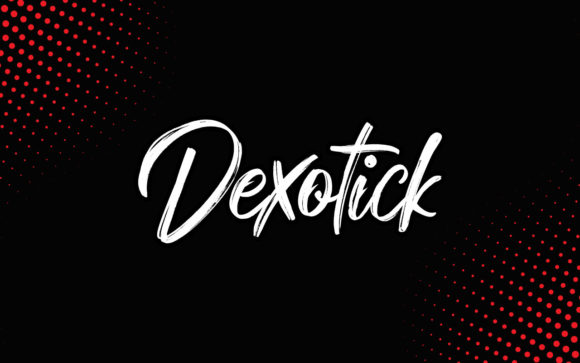
Dexotick: The Handwritten Font That Breathes Life Into Your Ideas
There’s a moment in every creative project where you search for that one element that ties everything together. You’ve got the concept, the colors, the imagery, but something feels missing—a spark of authenticity, a touch of personality. For many designers and creators, that missing piece is often found in typography. A font isn’t just letters on a screen; it’s the voice of your visual story. And when you need a voice that feels both personal and polished, a creative and cursive handwritten font like Dexotick can be the perfect answer.
Understanding the Personality Behind the Typeface
Dexotick isn’t your average script font. It carries a distinct personality—fluid, expressive, and surprisingly versatile. Each character is crafted with a natural flow that mimics authentic handwriting, yet it maintains a level of clarity that keeps it functional for real-world use. The letterforms are well-balanced, meaning they sit harmoniously together without feeling crowded or disjointed. This balance is crucial because it allows the font to feel organic without sacrificing readability. Whether you’re working on a logo, a social media post, or a printed invitation, Dexotick adapts to the mood of your project rather than forcing a rigid style upon it.
What makes a handwritten font like this so appealing is its ability to connect on a human level. In a digital landscape filled with sterile sans-serifs and predictable serifs, a cursive font introduces warmth and approachability. It whispers rather than shouts, inviting the viewer in rather than demanding attention. For brands and creators aiming to build trust and relatability, this subtle shift in tone can make a significant difference.
Where Dexotick Truly Shines: Practical Applications
One of the greatest strengths of Dexotick is its adaptability across various design contexts. It’s not a one-trick pony meant only for wedding invitations or feminine branding. Its clean yet expressive style allows it to fit into a wide range of projects. Here’s how you might put it to work:
- Logo Design & Brand Identity: A handwritten font can instantly make a brand feel more personal and approachable. Dexotick works beautifully for boutique businesses, artisan products, lifestyle blogs, or any brand that values a human touch. Pair it with a simple sans-serif for a balanced, professional look.
- Packaging Design: Imagine a coffee bag, a skincare label, or a gourmet food package. Using Dexotick for the product name or a key phrase can evoke craftsmanship and care, suggesting that what’s inside is made with attention to detail.
- Social Media Graphics: In the fast-scrolling world of Instagram or Pinterest, a handwritten quote, a call-to-action, or a headline in Dexotick can stop the scroll. It adds personality to flat graphics and makes promotional posts feel less corporate.
- Website & Blog Headers: While not ideal for long paragraphs of body text, Dexotick can be used effectively for hero section headlines, pull quotes, or section dividers. It adds visual interest and guides the reader’s eye through your content.
- Print & Editorial Layouts: Think magazine feature titles, book chapter headings, or stylized pull quotes in a brochure. It brings a dynamic, artistic element to otherwise structured layouts.
- Invitations & Greeting Cards: This is a natural fit. From digital e-invites to printed wedding stationery, the font’s elegant flow sets a celebratory and intimate tone.
- Digital Products & Marketing Assets: Use it in lead magnets, e-book covers, presentation title slides, or email newsletter headers to make your digital materials stand out with a cohesive, branded aesthetic.
The key is to use Dexotick strategically. It’s a display font, meaning it’s designed for impact in headlines and short bursts of text, not for body copy. Think of it as the accent piece in your design wardrobe—the statement necklace or the patterned tie that completes the outfit.
Making It Work: Pairing, Readability, and Licensing
Introducing a new font into your workflow requires a bit of thought to ensure it enhances rather than hinders your project. Here are some practical considerations for using a premium font like Dexotick effectively:
Font Pairing is Everything. A cursive handwritten font rarely works well on its own for all text elements. The magic happens when you pair it with a complementary typeface. A clean, geometric sans-serif (like Montserrat or Lato) or a simple, readable serif (like Lora or Playfair Display) can provide the necessary contrast. Use Dexotick for your headline or a key phrase, and let the paired font handle subheadings and body text. This creates hierarchy and ensures your design is both beautiful and legible.
Consider Your Context and Audience. While Dexotick is versatile, always test it within the specific context of your project. How does it look at small sizes on a mobile screen? Is the contrast sufficient when printed on textured paper? Who is your audience? A playful handwritten font might be perfect for a children’s brand but could feel out of place for a corporate law firm. Always align your typography choices with your project’s goals and your audience’s expectations.
Review the Included Font Styles. When you acquire a font like Dexotick, check what’s included in the package. Many premium fonts come with multiple styles—regular, bold, italic, or alternate character sets. These variations can add tremendous value, allowing you to create emphasis and variety while maintaining a consistent typographic voice. Understanding what tools you have at your disposal is the first step to using them wisely.
Don’t Forget Commercial Licensing. If you’re using Dexotick for client work, merchandise, or any project that will be sold or widely distributed, you must ensure you have the correct commercial license. Reputable font designers and marketplaces offer clear licensing options. This isn’t just a legal formality; it’s an ethical practice that supports the artists who create the design assets we rely on. Always read the license agreement to understand what’s permitted.
The Bigger Picture: Typography as a Brand Asset
Choosing a font like Dexotick is more than an aesthetic decision; it’s a strategic one. Consistent use of a distinctive typeface across your branding materials—from your website to your social media to your packaging—builds a cohesive visual identity. Over time, your audience will begin to recognize and associate that font style with your brand, strengthening brand recognition. It becomes a silent ambassador for your brand’s values and personality.
In a world saturated with visual noise, a thoughtfully chosen creative font can be your differentiator. It shows that you care about the details, that you’ve invested thought into how your brand communicates visually. Dexotick, with its unique and well-balanced characters, offers a way to inject that creativity and authenticity into your work. It’s a tool that, when used with intention, can indeed make your most creative ideas come alive, transforming them from concepts into compelling visual narratives that resonate with your audience.
So, the next time you’re staring at a blank canvas or a half-finished design, consider the voice you’re giving your project. Sometimes, the right handwritten font is all it takes to bridge the gap between a good idea and a truly memorable one.