Retro Gaming: Capturing 8-Bit Nostalgia in Your Brand
There is a distinct feeling that washes over you when you see a specific shade of blue and red together, or when you encounter a typeface that looks like it was rendered by a console from 1985. It is a mix of comfort, adrenaline, and pure nostalgia. For anyone who grew up jumping on pixelated mushrooms or saving princesses from castles, the visual language of that era is burned into memory. If you are designing for a modern audience that appreciates that vintage vibe, relying on standard Helvetica or Times New Roman just isn’t going to cut it. You need a typeface that speaks the language of the arcade, and that is exactly where the Retro Gaming font steps in to save the day.
The Pixel-Perfect Aesthetic
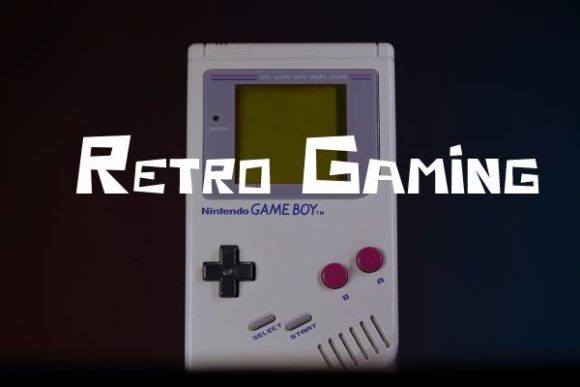
At its core, Retro Gaming is a display font, meaning it is designed specifically for headlines, logos, and short bursts of text rather than long paragraphs of body copy. But to call it just a "font" feels like an understatement; it is a time machine. Visually, it mimics the aesthetic of old-school bitmap graphics and CRT monitors. You will notice that the letterforms are constructed with a grid-like precision, featuring sharp corners and blocky curves that evoke the limitations and charm of early computer graphics.
What makes this typeface particularly beautiful is its ability to be versatile without losing its identity. It does not just look "blocky"; it has character. Whether you choose a solid fill version or one of the outline variations, the font carries a weight that demands attention. It feels tactile, like a sticker you might have peeled off a game cartridge in the 90s. For a designer or creative entrepreneur, this visual appeal is invaluable because it instantly conveys a specific mood—playfulness, technical nostalgia, and a bit of rebellious fun—without needing a single image to explain it.
Practical Applications for Modern Creators
You might be wondering how a font rooted in the past fits into a modern workflow. The truth is, the "retro" aesthetic is not just for vintage collectors anymore; it is a massive trend in brand identity and packaging design. If you are a small business owner running an independent game store, a comic book shop, or even a modern diner with a vintage theme, Retro Gaming is your best friend for logo design. It creates an immediate connection with your target demographic.
Beyond logos, consider the power of social media graphics. In a sea of minimalist sans-serif posts, a bold, pixelated headline grabs the scroll. It works incredibly well for announcements, sale banners, and Instagram Stories where you need high impact in a split second. For content creators and bloggers, using this font for chapter titles or pull quotes in your editorial design can break up the monotony of standard text and inject personality into your layout.
Here are a few specific ways you can deploy this premium font in your projects:
- Merchandise and Apparel: T-shirts, hoodies, and tote bags benefit massively from typography that looks like it belongs on a vintage arcade cabinet.
- Digital Products: If you sell planners, stickers, or printable art on Etsy, using Retro Gaming for headers can define your shop's style.
- Event Invitations: Planning a LAN party, a themed birthday, or a corporate team-building event with a gaming twist? This font sets the tone immediately.
- Web Design: Use it for hero sections or button text on a gaming blog to create an immersive user experience.
Strategic Typography and Brand Recognition
Typography is often the silent hero of marketing. When you use a distinctive display font like Retro Gaming, you are doing more than just decorating; you are building consistency. If a customer sees your pixelated logo on a business card, then sees the same style on your website, and then again on a poster, that repetition builds trust and recognition. It tells them you pay attention to details and that you have a cohesive vision.
However, readability is the golden rule of visual communication. While Retro Gaming is fantastic for impact, you have to be smart about how you pair it. You wouldn't want to write a 500-word blog post entirely in a pixel font; that would be exhausting for the eyes. Instead, the magic happens in the contrast. Pair your retro headlines with a clean, modern sans serif font for the body text. This combination allows the headline to pop with personality while the body copy remains easy to read. It balances the "fun" of the nostalgia with the "function" of clear communication.
Tips for Testing and Implementation
Before you commit to a font for a major rebrand, it is always wise to test it in your specific environment. Because Retro Gaming is a creative font, it reacts differently to various sizes and colors. A common mistake designers make is setting a pixel font too small. At low resolutions or tiny sizes, the "pixels" can merge together and become muddy. Always view your designs at the size they will be displayed in the real world—whether that is on a mobile screen or a printed banner.
Also, take a moment to review the included font styles. Many design assets like this come with multiple weights or variations, such as italics or distressed versions. Experimenting with these variations can help you create hierarchy within your design. For example, use a bold, solid version for the main title and a lighter, outline version for a subtitle. This creates depth and makes your layout feel more professional and intentional.
Finally, keep your audience in mind. If you are marketing to Gen Z or Millennials, the 8-bit aesthetic is a shared cultural touchstone that signals authenticity. It feels handmade and approachable. By integrating a typeface like Retro Gaming into your toolkit, you are not just choosing a font; you are choosing to communicate with a specific visual dialect that resonates deeply with a huge segment of the population. It is a small design choice that can make a massive difference in how your brand is perceived.