Zero Hour: Capturing the Pulse of 90s Tech in Your Modern Designs
There is a distinct feeling that comes with late-night coding sessions, the hum of a CRT monitor, and the aesthetic of early digital interfaces. It is a vibe that balances on the edge of nostalgia and futuristic speculation. If you are working on a project that needs to channel that specific energy—whether it is a vaporwave playlist cover, a cyberpunk indie game, or a tech startup brand—standard corporate fonts simply will not cut it. You need a typeface that speaks the language of the machine era. This is where Zero Hour enters the picture. Created by Typodermic, this all-caps sans serif outstretched digital font brings a heavy dose of 90s-inspired decorative flair to the modern design table, offering a free resource that punches well above its weight class.
A Typeface Built for the Digital Frontier
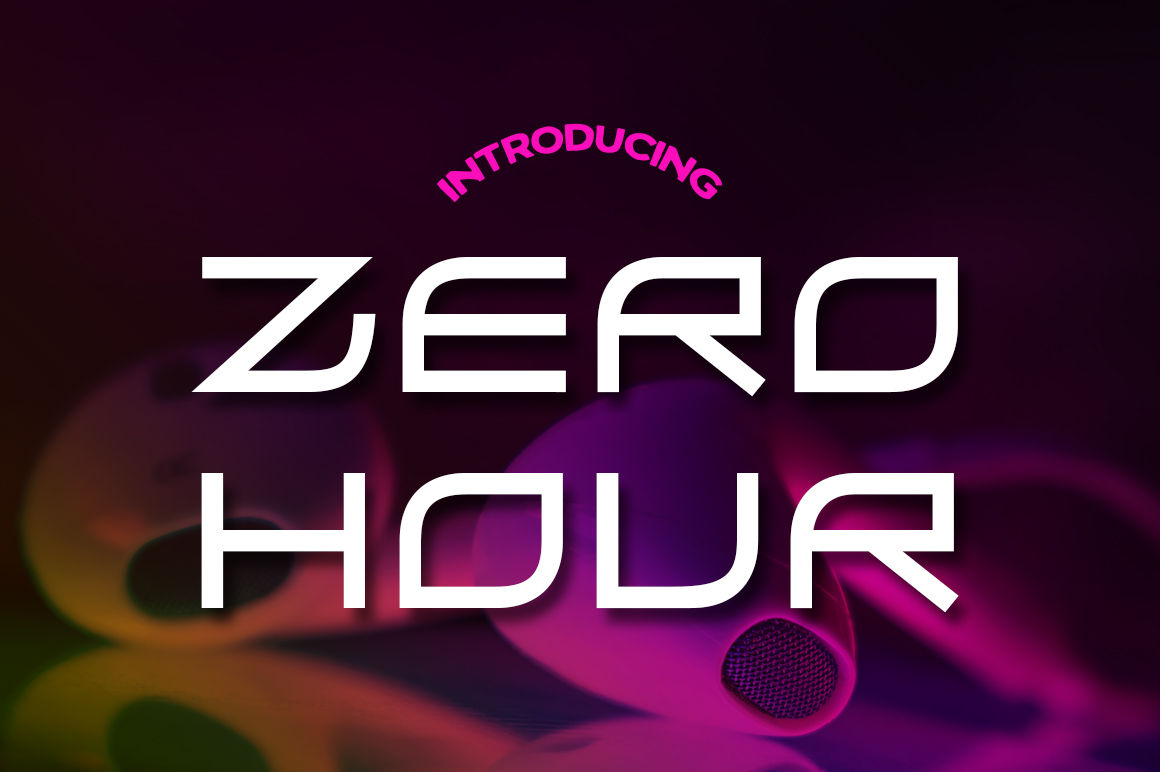
At its core, Zero Hour is a display font, meaning it is designed specifically to grab attention in headlines, logos, and short bursts of text rather than long-form body copy. The visual structure of the font relies on wide, outstretched letterforms that feel like they belong on the side of a spaceship or a high-tech warning label. It is distinctly geometric, stripping away the serifs and unnecessary embellishments to focus on clean, blocky shapes that suggest digital precision.
What makes Zero Hour visually appealing is its ability to be bold without being illegible. While many "techno" fonts sacrifice readability for style, Zero Hour maintains a clear hierarchy. The all-caps design forces a sense of urgency and importance, which is ideal for marketing materials where you need to stop a user from scrolling. The spacing is generally open, allowing the letters to breathe even though they are structurally dense. For designers who grew up playing retro arcade games or watching sci-fi movies from the late 20th century, the font feels instantly familiar, yet it remains versatile enough for contemporary web design and social media graphics.
Practical Applications for Creators and Brands
Understanding the aesthetic of a font is one thing; knowing how to apply it to generate value is another. Zero Hour is a tool, and like any good design asset, its effectiveness depends on the context in which it is used. Because it is a free font, it is an accessible option for entrepreneurs and hobbyists who want professional results without the upfront cost of a premium font license.
Here are several practical ways to integrate Zero Hour into your creative workflow:
- Branding and Logo Design: If you are launching a brand in the tech space, gaming, music production, or even a modern fitness studio, Zero Hour offers a distinct personality. It works exceptionally well for logos where you want to convey speed, efficiency, or a futuristic outlook. The geometric nature of the sans serif ensures that the logo scales well, maintaining its integrity whether it is on a business card or a billboard.
- Packaging Design: In a crowded market, packaging needs to pop. Zero Hour is perfect for product lines targeting a younger demographic or those interested in alternative culture. Imagine this font on a matte black box for headphones, a neon-colored energy drink, or a limited edition vinyl record. It immediately sets the product apart from generic competitors.
- Social Media and Web Design: The digital environment is where this typeface truly shines. Use it for Instagram story headers, YouTube thumbnails, or website hero sections. Because it is a digital font, it renders crisply on screens of all resolutions. It pairs beautifully with dark mode interfaces, where light text on a dark background creates a cinematic, immersive experience.
- Posters and Merchandise: For event promoters or merchandise creators, Zero Hour provides that "streetwear" aesthetic. It is excellent for music festival posters, gig flyers, or T-shirt designs. The decorative style of the font means you often do not need complex imagery; the typography itself becomes the art.
- Invitations and Editorial Layouts: While it might seem counterintuitive to use a "tech" font for invitations, Zero Hour works surprisingly well for themed parties, such as 90s throwback events or Halloween gatherings with a sci-fi twist. In editorial design, it can be used for drop caps or pull quotes in magazines focusing on technology, gaming, or modern culture.
Strategic Typography: Improving Visual Consistency
Choosing a font is a strategic decision that impacts your entire brand identity. When you select a typeface like Zero Hour, you are making a commitment to a specific visual language. This consistency is crucial for brand recognition. When your audience sees that distinct, wide-set sans serif font, they should immediately associate it with your content.
However, consistency does not mean monotony. Zero Hour often comes with variations or can be used in different weights and sizes to create a hierarchy. For example, you might use a heavier weight for the main headline and a lighter weight for subheadings. This approach maintains the brand voice while ensuring the layout remains organized and readable.
Readability is a common concern with display fonts. While Zero Hour is designed to be legible, it is not intended for body text. Trying to write a paragraph in an all-caps, outstretched font will fatigue the reader's eyes quickly. Instead, pair it with a neutral, highly readable sans serif or serif font for the body copy. A clean sans serif like Helvetica, Arial, or a humanist sans serif works best. This contrast allows the headers to stand out while the body text provides the necessary information without strain.
Matching Typography to Project Goals
Before downloading and installing Zero Hour, take a moment to define the goal of your project. Typography is a form of non-verbal communication. The "voice" of Zero Hour is loud, technical, and somewhat aggressive. It suggests speed, modernity, and perhaps a bit of rebellion.
If your project aims to convey warmth, tradition, or luxury (like a high-end jewelry brand or a bakery), this font might create a dissonance with your message. However, if your goal is to appear cutting-edge, innovative, or energetic, Zero Hour is an excellent match.
Consider the emotional response you want to evoke. Do you want your audience to feel excited? Do you want them to feel like they are looking at the future? The angular, outstretched lines of Zero Hour subconsciously suggest forward momentum. This makes it particularly effective for call-to-action buttons or promotional banners where you want to encourage immediate engagement.
Testing and Pairing for Maximum Impact
One of the most common mistakes in design is choosing a font in isolation. A typeface looks different depending on what surrounds it. When working with Zero Hour, spend time testing different font pairings.
As mentioned, a simple sans serif is a safe bet for body text. But don't be afraid to experiment with contrast. Pairing Zero Hour with a flowing script font or a handwritten font can create a dynamic visual tension—balancing the cold, digital feel of Zero Hour with a human, organic touch. This is particularly effective for brands that want to appear tech-savvy but approachable.
Pay attention to kerning (the space between individual letters) and tracking (the overall spacing of a word). Because Zero Hour has an outstretched style, you might find that tightening the tracking slightly helps the word look more cohesive, or loosening it emphasizes the futuristic, airy feel. Always test your typography on the medium where it will be viewed. A font that looks great on your desktop monitor might look cramped on a mobile screen. Ensure your headings are responsive and scale correctly across different devices.
Licensing and Commercial Use
One of the most significant advantages of Zero Hour is that it is a free font created by Typodermic. For small business owners and independent creators, budget is always a factor. Being able to use a high-quality, stylistic font without purchasing a commercial license is a massive benefit.
However, "free" does not mean "no rules." It is always best practice to double-check the specific license provided by the creator. Typodermic fonts are generally free for personal and commercial use, but it is your responsibility to ensure you are compliant. If you are working on a massive corporate rebrand or a high-stakes commercial campaign, verifying the license gives you peace of mind and protects your business.
Zero Hour is more than just a collection of letters; it is a design asset that bridges the gap between 90s nostalgia and modern digital aesthetics. Whether you are designing a logo, a social media campaign, or merchandise for your audience, this typeface offers a unique voice that commands attention. By pairing it wisely and using it strategically, you can elevate your visual communication and create a brand identity that feels both timeless and futuristic.