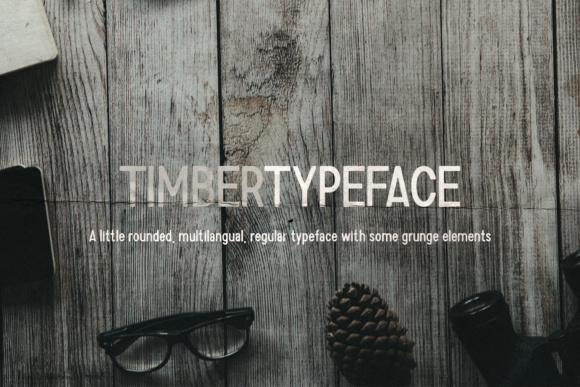
Timber: A Font That Builds Bold Visual Identities
Some typefaces whisper. Timber shouts with confidence. This display font captures attention immediately with its clean lines and distinctive character, making it a powerful tool for anyone who wants their designs to leave a lasting impression. Whether you're crafting a brand identity from scratch or refreshing an existing visual system, Timber offers a sharp, modern aesthetic that adapts beautifully across countless applications.
Why Timber Stands Out in a Crowded Font Market
What makes a display font truly useful? It needs personality without sacrificing versatility. Timber strikes that balance perfectly. Its letterforms carry a contemporary edge—bold enough to command attention on a poster, yet refined enough to work elegantly on packaging or editorial layouts. The geometric structure gives it a sense of stability, while subtle design details add warmth and approachability.
Unlike overly stylized typefaces that lock you into a single mood, Timber adapts to different creative contexts. A craft brewery might use it for rustic-inspired labels. A tech startup could leverage its modern feel for app interfaces and marketing materials. A wedding stationery designer might pair it with a delicate script font for invitations that feel both contemporary and romantic. That flexibility is what separates a good premium font from a great one.
The visual weight of Timber makes it particularly effective for headlines and hero text. When you need a single phrase to carry the emotional weight of an entire design—whether it's a billboard, a website banner, or the cover of a digital product—this typeface delivers. Its sharpness reads well at large sizes, and the carefully crafted spacing ensures each letter breathes without feeling disconnected from its neighbors.
Practical Applications Across Creative Projects
Let's talk about where Timber actually works in real-world projects, because a font's value is measured by its utility, not just its beauty.
Logo design and brand identity: Timber serves as an excellent foundation for logos that need to feel modern and authoritative. Its clean geometry translates well across different sizes, from favicon to signage. When building a brand identity system, starting with a display font like Timber for primary lockups and then choosing complementary serif or sans serif fonts for body text creates a natural hierarchy that audiences instinctively understand.
Packaging design: Shelf presence matters. Timber's bold character helps products stand out in competitive retail environments, whether you're designing labels for artisanal foods, cosmetics, or craft beverages. The font's personality can shift depending on color choices, background textures, and accompanying design elements—making it adaptable to premium, playful, or minimalist packaging concepts.
Social media graphics: Content creators and marketers know that thumb-stopping power is everything on platforms like Instagram, Pinterest, and TikTok. Timber's distinctive letterforms create quote graphics, announcement posts, and promotional visuals that break through the noise. Its readability at medium sizes also makes it suitable for carousel text and story overlays.
Web design and blogs: While display fonts aren't typically used for long-form body copy, Timber excels as a heading typeface for websites and blogs. It sets the tone immediately when visitors land on a page, establishing visual personality before they read a single paragraph. Paired with a clean sans serif for body text, it creates a professional presentation that builds credibility.
Print materials and editorial layouts: From magazine covers to event posters, from business cards to brochures, Timber brings editorial energy to print design. Its sharp construction holds up beautifully in offset and digital printing, maintaining clarity and impact across different paper stocks and finishes.
Merchandise and invitations: Tote bags, t-shirts, mugs, and event invitations all benefit from a typeface that looks distinctive without being difficult to read. Timber walks that line well, making it suitable for merchandise that people actually want to wear and invitations that set the right tone for celebrations.
Pairing Timber with Other Typefaces
No font exists in isolation. The real magic happens when you pair Timber with complementary typefaces to create a complete typographic system. Here's where practical knowledge matters more than theory.
For contrast and balance, pair Timber with a simple, neutral sans serif for body text. Fonts like Open Sans, Lato, or Work Sans provide clean readability without competing for attention. This combination works well for websites, presentations, and marketing materials where you need hierarchy without visual clutter.
If your project calls for warmth and personality, consider combining Timber with a handwritten font or script font for accent text. This pairing works beautifully for wedding invitations, boutique branding, and lifestyle blog headers. The key is using the script font sparingly—think taglines, pull quotes, or decorative accents—while letting Timber handle the heavy lifting.
For editorial sophistication, try pairing Timber with a classic serif font for body copy. This creates a refined tension between modern display text and traditional reading typography, perfect for magazine layouts, book covers, and premium brand materials.
The best approach? Test your pairings in context. Set actual headlines and paragraphs from your project, not just the alphabet. Check how the fonts interact at the sizes you'll actually use. Look at spacing, weight contrast, and overall mood. A pairing that looks perfect in a font specimen might feel off when applied to real content.
Considering Readability and Licensing
Display fonts like Timber are designed for impact at larger sizes, so readability considerations differ from those of body text typefaces. At headline sizes—typically 24 pixels and above—Timber reads clearly and confidently. For smaller applications like captions or fine print, switch to a complementary sans serif or serif font optimized for those sizes.
Color contrast also affects how well any font performs. Dark text on light backgrounds remains the most universally readable combination, but Timber's bold construction handles reversed-out treatments (light text on dark backgrounds) better than many display fonts. Test your specific color combinations on multiple screens and in print proofs before finalizing.
Before using Timber in commercial projects, review the licensing terms included with your purchase. Most premium fonts come with clear commercial licensing, but the specifics vary. Some licenses cover unlimited projects; others may have limitations on the number of users, installations, or specific applications like app embedding. Understanding these terms upfront prevents headaches later, especially if you're designing for clients who will need their own licenses.
Making Timber Work for Your Next Project
The best way to understand whether Timber fits your creative vision is to experiment with it directly. Set your actual project headlines, not placeholder text. Try different weights and styles if the font family includes them. View your designs at the sizes and in the contexts where they'll actually appear—a poster mockup, a phone screen, a printed business card.
Typography choices shape how audiences perceive your brand before they process a single word of content. A sharp, well-crafted display font like Timber communicates intentionality and design awareness. It tells your audience that you care about the details, which builds trust and recognition over time.
Whether you're a designer building client brand systems, a small business owner creating your own marketing materials, or a content creator developing a signature visual style, investing in quality typefaces pays dividends across every project you touch. Timber's combination of visual strength and practical versatility makes it a worthy addition to any creative toolkit—ready to inspire your next design and elevate the work you put into the world.