Boogie Nights: The Retro Display Font That Sparks Instant Energy
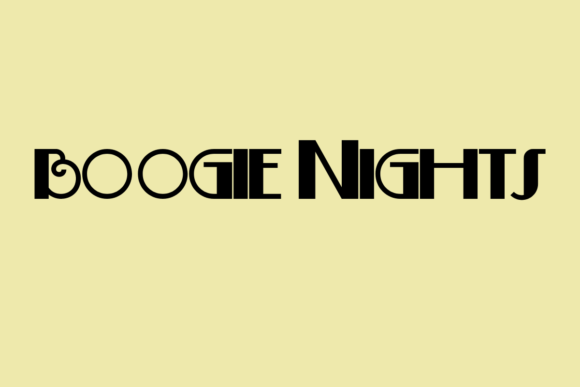
There's a particular electricity in 1970s design—the bold colors, the confident lettering, the sense that every graphic was made to grab your attention and hold it. That energy is exactly what Boogie Nights, a playful sans serif font by Nick Curtis, brings to modern projects. With its retro flair and that signature lightning bolt uppercase S, this typeface doesn't whisper. It announces. If you've been searching for a creative font that injects personality into your work without sacrificing clarity, this one deserves a closer look.
What Makes This Typeface Stand Out in a Crowded Font Market
Boogie Nights arrives in two distinct styles: regular and shadow. The regular version delivers clean, punchy letterforms with a distinctly vintage vibe—think disco-era signage, roller rink marquees, and classic movie titles. The shadow variant adds depth and dimension, giving each character a layered appearance that practically jumps off the page. Both styles share that unmistakable uppercase S with a lightning bolt detail, which becomes a natural focal point in any headline or logo.
What separates a good display font from a forgettable one is character, and Boogie Nights has it in spades. The letter shapes feel confident without being aggressive. The proportions are balanced enough to read clearly at large sizes, while the retro styling gives projects an instant sense of warmth and nostalgia. For designers who work across branding, packaging design, and social media graphics, having a typeface that immediately sets a mood is invaluable.
Where Boogie Nights Really Shines: Practical Applications
Let's talk about real projects. A vintage-themed event poster practically designs itself with this font. The regular style works beautifully for main headlines, while the shadow version can add emphasis to dates, venue names, or taglines. Because it's a sans serif font with bold proportions, it reproduces well both in print and on screens—a detail that matters when your design needs to look sharp on a 20-foot banner and a smartphone simultaneously.
For small business owners developing a brand identity, Boogie Nights offers a distinctive voice. Imagine a boutique ice cream shop, a retro barbershop, or a vinyl record store using this typeface for their logo design and signage. The font communicates fun, nostalgia, and personality without a single word of copy. It pairs well with simpler body fonts—think a clean sans serif like Montserrat or a straightforward serif like Lora—creating a visual hierarchy that feels intentional rather than cluttered.
Content creators and bloggers can use Boogie Nights for featured graphics, Pinterest pins, and YouTube thumbnails. In the crowded scroll of social media, a bold retro display font stops thumbs. The shadow style, in particular, photographs well and maintains its impact even when compressed by platform algorithms. For digital products like downloadable planners, party invitation templates, or printable wall art, this font adds a professional polish that justifies a higher perceived value.
Packaging design is another arena where this typeface excels. Craft beverage brands, artisan food companies, and specialty cosmetics lines often benefit from typography that tells a story before the customer reads a single ingredient. Boogie Nights signals that a brand doesn't take itself too seriously while still caring deeply about presentation. That balance is surprisingly hard to achieve with stock fonts.
Pairing, Readability, and Getting the Details Right
Every creative font comes with trade-offs, and understanding them makes you a better designer. Boogie Nights is a display typeface, which means it's engineered for impact at larger sizes—headlines, logos, banners, and hero text. It's not designed for body copy, and using it for paragraphs would compromise readability. The solution is straightforward: pair it with a highly legible font for longer text. A clean modern sans serif for digital projects or a classic serif for editorial layouts creates the contrast your audience needs to navigate your design comfortably.
When choosing between the regular and shadow styles, consider your medium. The regular version works well for embroidery, screen printing, and single-color applications where the shadow detail might get lost. The shadow style shines in full-color digital designs, offset printing, and any context where you can let the dimensional effect do its work. Testing both versions at your intended output size is always worth the extra few minutes.
Font pairing deserves real attention. Boogie Nights has enough personality that it can dominate a layout if everything around it is equally loud. The best results usually come from letting it be the star and supporting it with quieter typography. Try it alongside a geometric sans serif for a modern-retro contrast, or match it with a simple handwritten font for a casual, approachable feel. The goal is visual consistency—every element should feel like it belongs to the same family, even when the fonts are different.
Licensing, File Formats, and Working Smart
Before you commit any premium font to a commercial project, verify the licensing terms. Most fonts sold through reputable marketplaces include clear commercial licenses, but the specifics vary. Some licenses cover unlimited personal and commercial use; others restrict usage to a certain number of projects or print runs. If you're designing merchandise for sale—t-shirts, mugs, tote bags—make sure your license explicitly covers that use. Nick Curtis's fonts are widely available, and checking the license details at the point of purchase takes thirty seconds and prevents headaches later.
File format matters too. Boogie Nights typically comes in OTF or TTF formats, both of which install easily on Mac and Windows systems. If you're working in web design, you may need a WOFF or WOFF2 version for embedding. Not all font packages include web formats by default, so confirm before purchasing if online use is part of your plan.
When Retro Typography Meets Modern Strategy
The resurgence of retro design isn't just aesthetic nostalgia—it's a strategic choice. Vintage-inspired visuals trigger emotional associations: authenticity, craftsmanship, community, and fun. Brands that tap into those associations through typography, color, and layout often see stronger audience engagement because the design feels familiar even when the product is new.
Boogie Nights sits at that intersection beautifully. It's retro enough to evoke a specific era but clean enough to work in contemporary contexts. A tech startup's launch event poster, a podcast's social media branding, a wedding invitation with a playful twist—these are all spaces where the font adds value without feeling like a costume.
The lightning bolt S is worth highlighting again because it's the kind of detail that elevates a design from competent to memorable. Use it intentionally. A brand name that starts with S suddenly has a built-in graphic element. A headline with multiple S-letters gains visual rhythm. Small details like this are what separate design assets that collect digital dust from ones you reach for project after project.
Final Thoughts on Making It Work for You
Choosing a typeface is ultimately about communication. You're not just picking shapes that look appealing—you're selecting a voice for your project. Boogie Nights speaks with confidence, warmth, and a wink. It tells your audience that whoever created this design has personality and isn't afraid to show it.
If you work in creative fields—whether as a freelance designer, a marketing professional managing brand assets, or a hobbyist who sells handmade goods at craft fairs—having a few distinctive display fonts in your toolkit changes how you approach projects. Boogie Nights earns its place not because it's the loudest option available, but because it strikes that rare balance between eye-catching and versatile. Pair it thoughtfully, use it at the right size, and let that retro energy do what it does best: make people look twice.