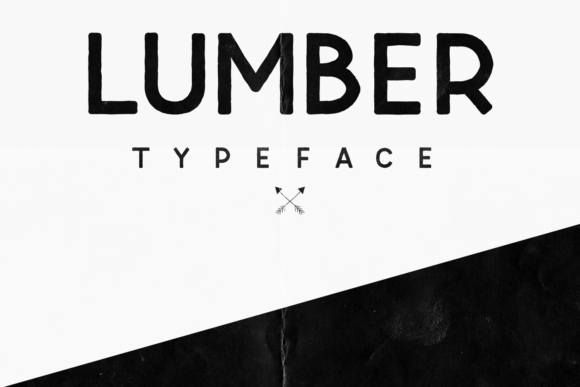
Lumber: The Quirky Display Font That Makes Brands Memorable
There's a specific kind of typeface that stops you mid-scroll. It doesn't scream for attention with wild flourishes or impossible angles—it just has a personality so distinct that your brain registers it as something different, something worth a second look. Lumber is exactly that kind of font. A little bit quirky, undeniably bold, and versatile enough to anchor everything from a coffee shop menu to a tech startup's landing page, this display typeface occupies a sweet spot that many fonts aim for but few actually hit.
What makes Lumber stand out in a sea of thousands of available typefaces? It starts with its visual character. The letterforms carry a subtle irregularity—not messy, but human. There's a warmth baked into the shapes that feels approachable without sacrificing clarity. Whether you're setting a headline for a bakery's Instagram post or designing packaging for an artisan candle brand, Lumber brings a visual texture that sterile, overly geometric fonts simply can't replicate.
Where Quirky Meets Professional
One of the biggest misconceptions in design is that "professional" means "serious and boring." The brands winning attention right now—from DTC skincare lines to indie publishing houses—understand that personality is an asset, not a liability. Lumber walks this line beautifully. Its slightly offbeat letter shapes give designs a human touch, but the overall construction remains clean enough for commercial use.
Think about the last time a brand's visual identity made you feel something. Chances are, the typography played a bigger role than you realized. Fonts carry emotional weight. A rigid sans serif might communicate efficiency. A flowing script might evoke elegance. Lumber communicates something harder to pin down—maybe it's confidence with a wink, or craftsmanship with a sense of fun. That ambiguity is actually its strength, because it adapts to the context you place it in.
Real-World Applications That Actually Work
Let's get practical. You're probably reading this because you have a project in mind, so here's where Lumber genuinely shines:
- Logo design and brand identity: If you're building a brand from scratch or refreshing an existing one, Lumber offers enough distinction to become a recognizable visual anchor. It works particularly well for brands that want to feel artisanal, creative, or slightly unconventional.
- Packaging design: On shelf or on screen, packaging needs to communicate quickly. Lumber's display qualities make product names pop while its quirky personality helps products stand out in crowded retail environments.
- Social media graphics: Platforms like Instagram and Pinterest are dominated by visual content. A distinctive font choice can become part of your recognizable brand language, and Lumber's bold presence translates well to both feed posts and story templates.
- Website headers and hero sections: Used sparingly at large sizes for headlines, Lumber can set the tone for an entire site experience without compromising the readability of body text set in a complementary typeface.
- Print materials and merchandise: From business cards and event posters to tote bags and t-shirt designs, Lumber's character holds up across different sizes and printing methods.
- Invitations and editorial layouts: Whether it's a wedding invitation suite or a magazine spread, this font brings editorial flair that feels curated rather than generic.
The key with any display font is understanding its sweet spot. Lumber isn't designed for setting paragraphs of body copy—it's meant to command attention at headline sizes, where its personality can breathe and do the heavy lifting for your design.
Matching Typography to Your Project Goals
Before you commit to any font—Lumber included—take a step back and think about what your project actually needs. Typography should serve your message, not compete with it.
Ask yourself a few questions. Who is your audience? A font that resonates with millennials shopping for sustainable fashion will land differently than one targeting corporate B2B clients. What's the primary emotion you want to evoke? Lumber's quirky warmth works brilliantly for brands that want to feel approachable and creative, but it might not be the right fit for a law firm's annual report. Where will the typography live most often? If your brand lives primarily on screens, test how the font renders at various sizes and on different devices.
One practical approach is to collect visual references. Save examples of designs, brands, and layouts that feel right to you. Patterns will emerge—maybe you're consistently drawn to bold, personality-driven headlines paired with clean sans serif body text. That kind of self-awareness makes choosing a font like Lumber much more intentional.
Getting the Most from Font Pairings
A display font rarely works in isolation. Lumber's real power comes through when you pair it thoughtfully with supporting typefaces. The goal is contrast without conflict.
Because Lumber carries so much personality in its display role, you'll want to pair it with something more neutral for body text, navigation, captions, and smaller UI elements. A clean sans serif—something like a modern grotesque or a humanist sans—usually works well. The contrast lets Lumber's character shine while keeping longer passages readable.
Here's a simple test: set your headline in Lumber, then set a paragraph of body text in your chosen companion font. Step back and squint at the layout. Does the hierarchy feel natural? Does your eye move from headline to body text without friction? If yes, you've likely found a solid pairing. If the two fonts feel like they're competing for attention, try a more restrained companion.
Don't overlook the included font styles, either. Many premium fonts ship with multiple weights, alternates, or stylistic variations. Exploring these options gives you more flexibility within a single typeface family and can reduce the number of fonts you need to license and manage across a project.
Readability Isn't Optional
This is where honest self-assessment matters. Display fonts are designed for impact, not for extended reading. Use Lumber where it's meant to be used—large headlines, hero text, pull quotes, logo marks—and resist the temptation to set entire paragraphs in it just because you love how it looks.
At large sizes, Lumber's personality becomes an asset. At small sizes, that same personality can become a readability liability. This isn't a flaw; it's simply how display typography works. Every font has its ideal context, and respecting those boundaries is what separates polished design from amateur experimentation.
Always test your designs in real conditions. Print a poster at actual size before sending it to the printer. View your website on a phone, not just a 27-inch monitor. Ask someone unfamiliar with your project to read your social media graphic and tell you what it says. These small checks catch readability issues before they reach your audience.
Licensing and the Business Side of Fonts
If you're using Lumber for personal projects—birthday invitations, a personal blog, hobby crafts—licensing is usually straightforward. But the moment money changes hands or a business name is involved, commercial licensing becomes essential.
Commercial font licensing protects both you and the font creator. It typically covers specific use cases: desktop use for creating logos and print materials, web use for embedding the font in site code, and sometimes app or digital product use. Read the license terms before purchasing, not after. Some licenses cover unlimited projects; others are per-project. Some restrict use on merchandise for resale; others explicitly permit it.
This isn't bureaucratic red tape—it's professional practice. Using properly licensed design assets protects your business from legal complications and supports the independent designers and foundries creating the tools you rely on.
Building a Visual Language That Lasts
Good typography builds recognition over time. When your audience starts associating a particular font style with your brand before they even read the words, you've achieved something powerful. Lumber's distinctive character makes this kind of recognition more achievable precisely because it doesn't look like everything else.
The fonts you choose become part of your brand's visual vocabulary. They appear on your website, your invoices, your packaging, your social posts, your pitch decks. Consistency across these touchpoints builds trust, and trust is what turns casual browsers into loyal customers.
Lumber won't be the right fit for every project—and that's fine. No single typeface should be. But for the brands, creators, and designers who need a display font with genuine personality, a little bit of quirk, and enough versatility to work across a surprising range of contexts, it's worth serious consideration. The best typography choices aren't about following trends—they're about finding the typeface that tells your story the way only you can tell it.